

A trick to identify the composition of clothing fabrics
Apr 13, 2020
Leave a message
Identifying the composition of clothing fabrics can be a crucial step in understanding how to best care for and work with a particular material. Here's a simple trick that involves a few basic methods to help you identify the composition of fabrics:
Burn Test: This classic method involves carefully burning a small, inconspicuous sample of the fabric. Natural fibers like cotton and linen will burn quickly with a yellow flame and smell like burning paper, leaving a fine, soft ash that crumbles easily . Synthetic fibers such as polyester, nylon, and acrylic will often melt and smell distinctively sweet or acidic, with polyester leaving hard black beads and nylon producing a smell like burning celery .
Water Absorption Test: Dampen a small area of the fabric. Natural fibers like cotton will absorb water quickly, while synthetic materials may bead up or repel water entirely . This can be a quick way to distinguish between natural and synthetic fabrics.
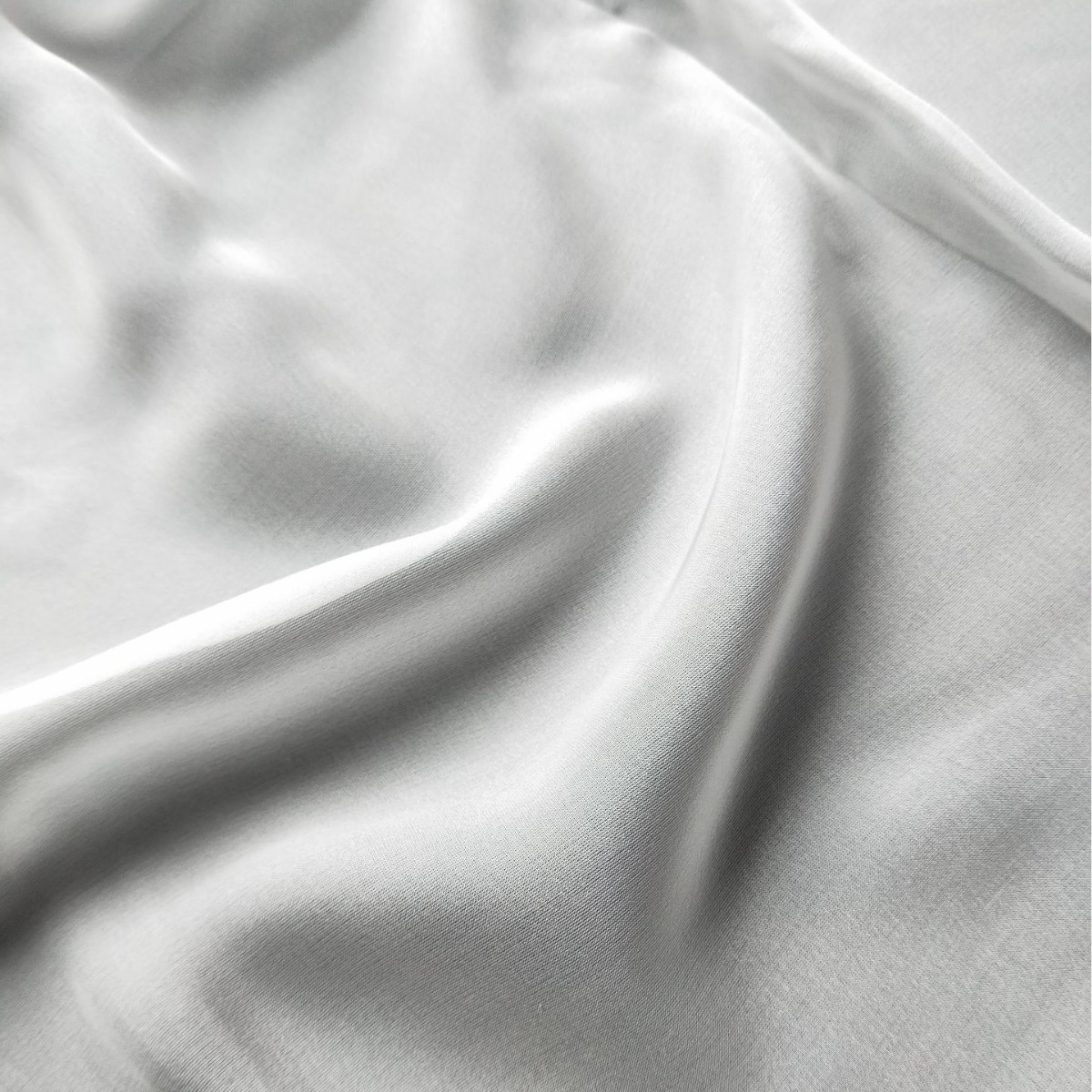
Visual and Tactile Inspection: Examine the fabric closely for any distinguishing characteristics. Look at the weight, drape, texture, and sheen of the fabric. Natural fibers often have a more textured feel, while synthetics can feel smoother and more uniform . Wool, for example, will feel warm and may have a slight fuzz to it, whereas silk will have a smooth, luxurious feel.
Microscopic Examination: For a more detailed analysis, you can use a microscope to examine the fibers' structure. This method allows you to see the individual fibers up close, revealing their shape, thickness, and other characteristics that can help identify the type of fiber .
Label Reading: Check the fabric's label if available. It should provide information on the content of the fabric. This is often the easiest and most accurate method, assuming the label is correct and complete .
Remember, when performing these tests, especially the burn test, safety is paramount. Always conduct such tests in a well-ventilated area and take care when handling flames and hot materials. By using these tricks, you can become more knowledgeable about the fabrics you work with, which can enhance your sewing, designing, or even everyday clothing choices.